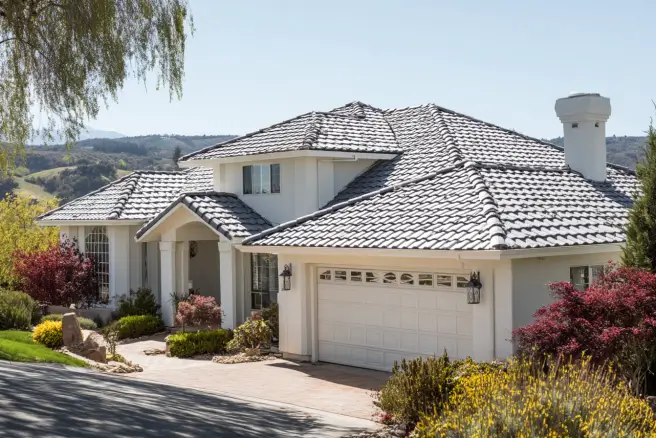
San Diego is famous for “perfect weather,” but roofs here still take a beating—just in a different way than places with snow and deep freezes. Instead of ice dams and blizzards, San Diego roofs contend with intense UV exposure most of the year, salty coastal air, occasional heavy winter rain, and periodic high-wind events. The result is that the right roof is less about brute-force insulation and more about smart material choices, good detailing, and regular upkeep.
San Diego’s microclimates matter more than people think
A roof that performs beautifully in inland neighborhoods like Poway or Santee might age faster near the coast in places like Point Loma or La Jolla. Coastal roofs face salty air and marine-layer moisture that can accelerate corrosion on metal components (fasteners, flashing, gutters) and can stress certain membranes over time. Inland, summer heat and stronger sun exposure make reflectivity and ventilation bigger priorities.
That’s why San Diego roofing decisions should start with a simple question: Are you coastal, inland, or in a canyon/hillside area? Coastal areas often benefit from corrosion-resistant metals and high-quality sealants; inland areas often benefit from “cool roof” approaches that reduce heat gain.
Common roof types in San Diego—and how they fit the climate
Asphalt shingles remain common because they’re widely available and cost-effective. In San Diego, shingles tend to age primarily from sun and heat, and sometimes from poor attic ventilation. If your attic runs hot, shingles can become brittle sooner than expected.
Concrete or clay tile is also very popular and strongly associated with Southern California architecture. Tile can hold up well in sun, but it’s not maintenance-free. The underlayment beneath the tile is the true waterproofing layer, and it eventually wears out. Many tile reroofs involve replacing the underlayment and resetting or replacing damaged tiles rather than removing all materials.
Low-slope roofing systems, often seen on mid-century homes, modern builds, and commercial properties, rely heavily on proper seam work and drainage. In San Diego, UV exposure and standing water after storms are the main threats, making correct slope, drains, and flashing essential.
Metal roofing can be an excellent long-term option when properly specified and installed. In coastal areas, corrosion resistance is especially important, and installers must understand appropriate fastening systems and coatings.
Cool roof requirements: not just a trend
California energy standards include cool roof requirements for many new or replacement roofs, particularly low-slope systems and certain steep-slope projects depending on climate zone and compliance path. These requirements focus on solar reflectance and thermal emittance.
Even when not strictly required, cool roof materials often make sense in San Diego because they reduce heat absorption and help keep interiors cooler, especially in inland neighborhoods where summer temperatures run higher.
Permits in the City of San Diego: when you need one
Homeowners are often surprised to learn that some roofing projects require permits while others do not. In general, a permit is required when roofing work involves changes to the roof structure, increases in roof weight that could affect framing, replacement of skip sheathing with solid sheathing, or work on historically designated properties.
Many basic reroof projects that do not alter the structure may be exempt, but exemptions depend on specific conditions. When in doubt, it is safer to verify permitting requirements before work begins rather than assume none are needed.
Fire safety considerations
Fire resistance has long been a major concern in Southern California. Class “A” roof assemblies are typically expected for new and replacement roofs, and wood shake or shingle roofing is generally restricted except in limited historical cases.
Properties located in or near Very High Fire Hazard Severity Zones may face additional requirements, particularly for buildings constructed after certain code adoption dates. These rules are designed to reduce ember intrusion and improve overall fire resilience.
Roof longevity in San Diego: details matter more than materials
Most roofing failures don’t originate in the main roof surface. They come from details:
-
Flashing at chimneys, walls, and skylights
-
Valleys and water channels
-
Plumbing vents and roof penetrations
-
Drainage systems and gutters
San Diego’s rain is seasonal, but storms can be intense. Poor drainage or sloppy flashing is often exposed during the first heavy rain after installation.
Maintenance that actually works in this climate
A realistic roof maintenance routine in San Diego includes:
-
Inspecting the roof twice a year, especially before and after the rainy season
-
Clearing gutters, drains, and scuppers
-
Checking sealant and fasteners around penetrations
-
Replacing broken or slipped tiles promptly
-
Inspecting after wind events
Routine maintenance helps prevent leaks and significantly extends the life of membranes, underlayment, and flashing.
Choosing a roofing contractor in San Diego
When comparing bids, focus less on brand names and more on process and experience:
-
How flashing and transitions are handled
-
Whether ventilation is evaluated for shingle roofs
-
Clean-up and property protection plans
-
Coordination with solar systems if applicable
-
Understanding of local permitting and energy requirements
A well-installed mid-range roof will usually outperform a poorly installed premium product.
The bottom line
Roofing in San Diego is about managing sun exposure, moisture, fire safety, and local code requirements—not extreme cold. Matching the roof system to your microclimate and insisting on high-quality workmanship, especially at details and drainage points, is the key to long-term performance.
If you want, I can adapt this article for a local service page, SEO-focused version, or consumer education guide, depending on how you plan to use it.